
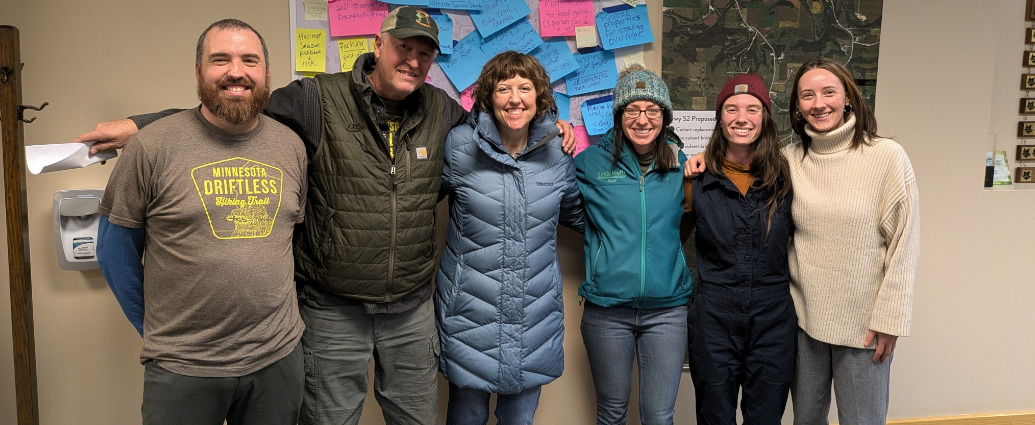

In winter, the Driftless slows down. Snow quiets the ridgelines, footsteps soften along frozen ground, and the land reveals itself without distraction. Along the backwaters, ice fishermen stand scattered across the river, bundled against the cold. This is the season when Alexa—director of the Minnesota Driftless Area Hiking Trail—often reconnects with the work, not through meetings or maps, but by walking.
Carrying everything she needs on her back, mile after mile, strength builds in a way that feels honest. Hiking has always offered her something rare: safety, clarity, and belonging. Out here, confidence isn’t performative—it’s earned. The trail becomes a place where self-reliance turns into empowerment, and the world makes sense again.
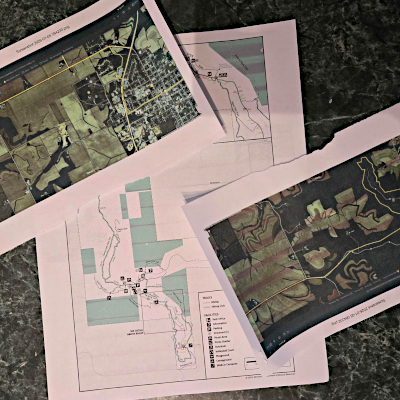
That relationship with the land now shapes the Minnesota Driftless Area Hiking Trail—a long-distance system growing steadily through southeastern Minnesota, designed to connect people not just to place, but to themselves and one another.
For Alexa, the path into trail work didn’t begin with a single decision. The opportunity kept appearing. Four different people shared the same job description, each encouraging her to connect with the trail community. Eventually, the message was clear: this was work worth doing.
After more than a decade strengthening outdoor accessibility through nonprofit leadership, supporting people who simply want to get outside felt deeply aligned, she tells me. Minnesota is known for its outdoor culture, yet the Driftless lacked a connected long-distance hiking trail—one that could bring people into both the landscape and the small towns that define it.
In October 2024, that alignment became official. Stepping into her role as trail director marked a shift from building programs to building pathways—corridors meant to welcome people into outdoor spaces with intention and care.
Many people imagine trail-building as physical labor: cutting brush, placing signage, carving routes through wooded hillsides. In reality, much of the work happens far from the trail corridor. Alexa often begins her days at home, coordinating with partners, responding to emails, and following up on conversations that unfold slowly. One landowner took eight months to connect. Alexa doesn’t see that as an obstacle; she calls it part of the process. Building a trail through the Driftless depends on trust and persistence.
When time allows for hands-on work, walking the corridor becomes a way to learn the land intimately—its topography, boundaries, and possibilities. Winter remains a favorite. “Each cold-season hike feels like falling in love with the Driftless all over again,” she says.
Nearly half of the Minnesota Driftless Area Hiking Trail runs across private land, making relationships with landowners central to the project’s success. Since 2019, that has meant cold calls, site visits, mapping sessions, and more than 135 conversations. Early warnings suggested resistance would be inevitable. Instead, she tells me most landowners share strong conservation values and deep respect for the land. Even when participation isn’t possible, support for the larger vision often remains.

Clear communication has been essential. Misinformation—especially fears around eminent domain—sometimes surfaces, but the approach remains firm: if a landowner doesn’t want the trail on their property, it won’t go there. When routes don’t align, alternatives are found, including road sections. “Trail-building becomes a puzzle to solve creatively,” she says, not a problem to force through.
With nearly 4,000 miles of hiking experience and certification as a Wilderness First Responder, Alexa approaches the outdoors with preparation rather than fear. Safety comes from awareness, experience, and practical tools—knowledge and attention also go a long way. Long stretches of solitude—hundreds of miles—are familiar territory. And despite common assumptions, she says the trail often feels safer than everyday life.
The trail is also where community forms quickly. On one thru-hike, she met a small group of strangers. Years later, those connections still hold—friendships that have crossed the country, grown alongside families, and rooted far beyond the trail. That experience—community built through shared effort—continues to inform how she envisions the Minnesota Driftless Area Hiking Trail today.
At its core, Alexa says, the trail is about access and inclusion. Years in outdoor work have made one thing clear: many people want to be outside, but not all spaces feel welcoming. When asked about wheelchair access, Alexa is matter-of-fact: not every section can be accessible due to the Driftless’ varied terrain, but intentional effort is made to include ADA-compliant segments wherever possible. The goal isn’t perfection—it’s meaningful access, creating entry points so more people can feel like they belong outdoors.
For those who haven’t yet explored southeastern Minnesota, the Driftless often comes as a surprise. Deep river bluffs rise abruptly from valley floors. Prairies stretch wide. Pride and reverence settle in once the region is experienced on foot. The smell of river mud in spring, the whisper of wind across oak ridges, or the simple bustle of a small-town café can make the land feel alive in unexpected ways.
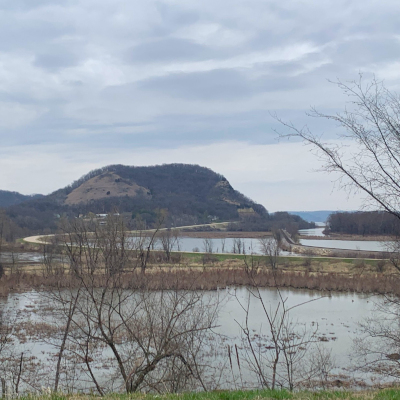 While biking has surged across the area, hiking offers a different relationship with the land. Moving slowly creates space to notice details, build connection, and see why the Driftless inspires loyalty. That belief shapes the trail’s route. Rather than bypassing towns, it intentionally moves through them. Communities like Chatfield, MN and Whalan, MN along the Root River, and Caledonia, MN near Beaver Creek Valley State Park, become part of the journey. Hikers won’t just pass through; they’ll walk downtowns, stop for meals, and spend time in the places that give the Driftless its character. Stopping at a local bakery in Chatfield or watching riverboats drift past Whalan’s bluff can be as memorable as the miles themselves.
“Hikers, after all, are very good at walking—and very good at eating,” Alexa jokes. Supporting local cafés, restaurants, and small businesses becomes part of the experience, strengthening the connection between trail and town.
By spring, an 8.5-mile section of the Minnesota Driftless Area Hiking Trail is expected to be complete. Other segments, though not yet connected, are already open and mapped. The long-term vision stretches toward a continuous corridor from Chatfield to the Mississippi River within the next decade.
The invitation is simple: walk slowly, pay attention, and allow connection to form. In the Driftless, empowerment doesn’t arrive all at once. It builds quietly, one step at a time, guided by people like Alexa—whose love for the land and the trail shows how belonging can grow from each careful stride.
By Stephanie Campell